Prepare a Calgary yard
Confirm grading, seed choices, access and current watering rules before setting an application date.
HAUSE / Calgary yard planning
Calgary guidance for new yards, watering permissions, prepared soil and landscape handoff.
Before you choose
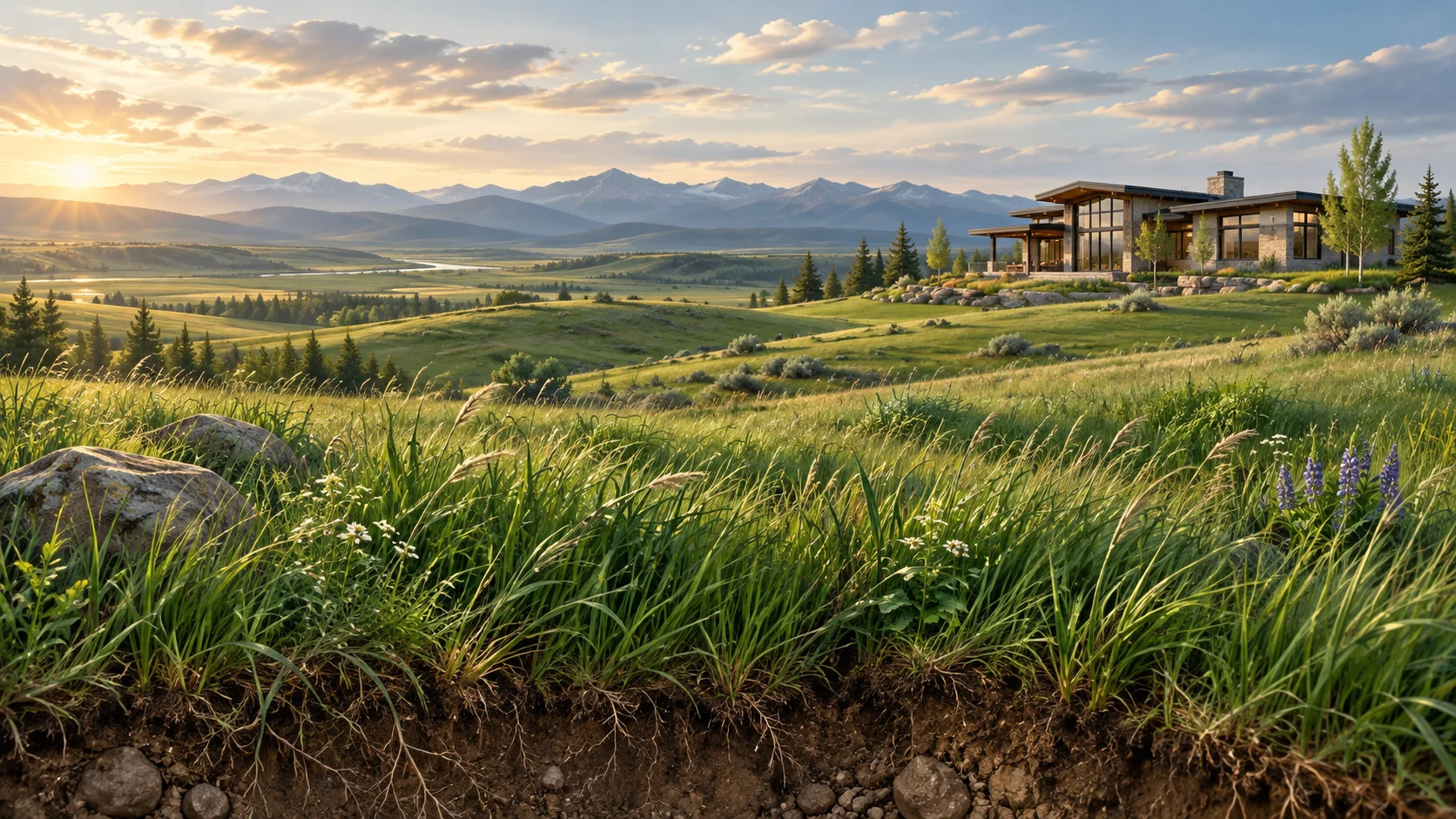
Hydroseeding is an application method within a larger landscape plan. Soil condition, approved drainage, appropriate seed and a realistic establishment responsibility matter as much as the treatment placed on the surface. Start by describing the site and intended vegetation, then compare the scope needed to reach that objective.
These guides help you prepare a useful request through HAUSE. Intake can review the location, project information and next steps; service availability, specialist responsibilities and the final written scope must be confirmed for the property.
Project pathways
Confirm grading, seed choices, access and current watering rules before setting an application date.
Divide exposed, shaded, wet and native areas into separate management zones with realistic monitoring.
Align seed records, material rates, temporary protection and acceptance evidence with the project documents.
Start here
Calgary lawn planning 04
Distinguish the regular watering schedule, new-seed establishment exception and temporary restriction stages.
Read the guideCalgary lawn planning 05
Coordinate confirmed grades, remaining construction, soil delivery, access and the homeowner handoff.
Read the guideCalgary project coordination 16
Align current project documents, material records, inspections, deviations and authorized closeout decisions.
Read the guideMake the plan tangible
Calculate a rectangular plan area and a quantity for one identified component using your approved mass rate. The starting rate is intentionally zero: enter the actual specified rate before calculating. This tool supplies no seed, mulch, fertilizer or water dose.
Area and material quantity planner ↗Common questions
You can submit the property location, site information and desired scope to HAUSE intake. Intake will clarify the request and confirm the appropriate next step, service availability and responsibilities for that location. The planning portal does not itself establish operator coverage or a booked service.
An application does not by itself diagnose or correct the ground below. Record the soil and drainage concerns and have the appropriate person define preparation before seed placement. Keep that preparation responsibility separate from the application scope.
Define the vegetation objective, use, soil, light and moisture conditions first. Ask the appropriate adviser to select the actual mix and confirm its lot documents. Maintained lawn, forage and native recovery are different objectives and should not share a mix merely for convenience.
Use the measured treatment area and the approved rate for each identified component. The area tool shows the arithmetic using your rate; it supplies no recommended dose. Clarify whether a seed specification is bulk mass or PLS, and calculate mulch or other materials separately.
The simple tool uses a rectangular horizontal plan area. It does not convert that to a sloped or irregular surface. Obtain the measurement basis required by your project before using a quantity for purchasing, pricing or application.
Use the actual seed and product instructions, site observations, water-system information and current local permissions. This portal does not prescribe a universal timer duration or volume. Name a caregiver who can inspect the area and report runoff, ponding or changing conditions.
Temporary restrictions override the regular watering schedule. Check the current City table before application and through establishment; the permitted method for new seed changes by stage. Keep the sowing date and treated boundary in the care record.
That dependency needs to be stated and assessed against the site, specified vegetation and timing. Historical climate averages do not guarantee the coming weather. Review the risk, temporary protection and contingency with the responsible adviser before accepting an application plan.
Native-site work needs an appropriate target community, existing-vegetation assessment and restoration strategy. Protection or natural recovery may be relevant options. Seed placement is considered within that plan; fast green cover alone does not establish native recovery.
Record intended plants, other vegetation, exposed ground and relevant site conditions separately. Appearance alone cannot prove rooting, composition, stability or compliance with a written criterion. A formal acceptance needs the actual evidence and authorized review process.
Document the pattern, dates and contrasting areas, then review soil, water, traffic and seed/application records with the responsible person. Define a repair that addresses the identified cause rather than automatically repeating the treatment.
Confirm the governing edition, contract amendments and approvals with the project administrator. The City resource index lists the 2026 landscape edition as current. An index entry does not by itself change an existing contract or establish private-yard acceptance requirements.
It can compare entered cover and patch observations with entered criteria and estimate routine visit effort. It cannot validate sampling, identify species, assess roots or release an inspection obligation. Keep manual findings and the authorized review separate from the arithmetic.
Record its location and useful photographs, seek appropriate identification and use current Alberta references where relevant. Have the responsible person define a lawful site-specific response. The portal supplies no pesticide selection, dose or treatment authorization.
Send the location, measured sketch, vegetation objective, known soil and drainage condition, access, current water arrangement, project specification if available and establishment caregiver. Attach representative photographs and identify the decisions that still need assessment.
Keep the Calgary reference topics, compare site and material needs, then prepare a brief. HAUSE intake does not promise an available applicator, price or establishment result.
Timing
Experience
Scope
Completed
Records
Acceptance criteria
Calgary + Area
Provider travel to confirm
Review residential, commercial and disturbed-land requirements using the original application topics. Confirm actual provider capacity, materials, access and approvals; no universal equipment or crew availability is claimed.
New-build and renovation lawn planning. Historical source rate examples require current quotes.
Learn moreLarge-scale seeding for developers, municipalities, HOAs, and industrial sites.
Learn moreHydraulic mulch and seed specifications to review with the designer; no blanket agency approval.
Learn moreHigh-tackifier slurry for Calgary's hills, berms, and embankments.
Learn moreTurf-grade seed mixes for soccer fields, rural acreages, and equestrian properties.
Learn moreNative grass and wildflower blends for disturbed land, pipeline ROWs, and reclamation.
Learn moreFour preserved scope stages to agree with the actual provider; no outcome, experience or delivery guarantee.
Arrange who will measure the area and review soil, slope, sun, access and water.
Grade and till the soil, remove debris, and apply any required soil amendments or starter fertilizer.
Confirm actual equipment capacity, application specification and seed-mulch-additive records.
Agree the written aftercare plan and monitoring criteria. The original germination and establishment windows are not guaranteed.
Compare preparation, water access, timing, materials, costs and acceptance criteria for the actual site; no method universally delivers the best outcome.
| Feature | 🌱 Hydroseeding | 🟩 Sod | 🌾 Broadcast Seed |
|---|---|---|---|
| Cost per sq ft | $0.12–$0.18 | $1.50–$3.00 | $0.05–$0.10 |
| Historical timing examples | 7–14 days | Instant (but settles) | 10–21 days |
| Root establishment questions | Review rooting and site care | Review rooting and site care | Review rooting and site care |
| Application uniformity | Site-specific | Site-specific | Application-specific |
| Slope suitability | Product/design-specific | Site/design-specific | Site/design-specific |
| Large area coverage | Site-specific | Expensive | Fair |
Historical CAD price assumptions and qualitative source comparisons, not current quotes, measured savings or performance guarantees.
Confirm actual provider travel, equipment, scheduling and mobilization for your location.
"Hypothetical backyard brief: measure the area after fence work, record access and preparation, compare establishment and watering responsibilities with sod, and request current quotes."
Backyard planning example
Evergreen, SW Calgary
"Hypothetical 12,000 sq ft acreage brief: record seed requirements, equipment access, feasible watering and the available establishment window. No crew, completed lawn or seasonal result is verified."
Acreage planning example
Airdrie, AB
"Hypothetical three-acre commercial brief: agree measured scope, budget, staging, materials, documentation and acceptance criteria. No completed subdivision or customer endorsement is verified."
Commercial planning example
Commercial Property Manager, NE Calgary
Hydroseeding (also called hydraulic mulch seeding) is a planting process where seed, wood-fiber mulch, water, fertilizer, and a tackifier are mixed into a slurry and sprayed onto prepared soil. The mulch holds moisture and protects seed until germination.
Germination and establishment depend on the actual seed, soil, moisture and weather. The original seven-to-fourteen-day and six-to-eight-week examples are not a performance promise.
The original seasonal windows are historical examples; current frost risk, soil, seed requirements and water availability determine suitable timing.
Record the site, area, access, water, intended use and timing. Continue to HAUSE intake to review and send a request; no response deadline, free site visit or service coverage is promised.
A clearer next step
Tell HAUSE what you are planning, what you have observed and the decision you need help with.
Start a service request

